"I first met Don Meyer when I was twenty-four years old and a first-year reporter at the Nashville Banner. Meyer's practices were always open to the public, and so, once or twice a week, I would sit in and watch and listen. When the team met in a classroom before or after practices, I would take a seat in the back. The underlying message that I heard him present to his players -- that every single day provided you with the opportunity to pursue excellence or not -- resonated with me from a young age."
Showing posts with label Commitment. Show all posts
Thursday, September 14, 2017
THE OPPORTUNITY TO PURSUE EXCELLENCE
In a few weeks I'll be speaking at the PGC/Glazier Coaching Clinic in Dallas. I have two segments and my last one is titled: "Don Meyer - Lessons Learned from a Legacy Left." I've spent the last few days rereading Buster Olney's great book on Coach Meyer, "How Lucky You Can Be," and came across a passage back in the acknowledgments that I'm going to share with my team today:
Labels:
Book Review,
Coach Meyer,
Commitment,
Motivation,
Self-Improvement
Friday, August 25, 2017
Friday, July 1, 2016
HOW A PLAYER CREATES THEIR IDENTITY
We posted this in our blog for players HoopBoost, but I wanted to share it on our coaching blog as well. It comes from "Coaching The Mental Game" by H. A. Dorfman which is among my top 10 books for coaches wanting to learn and master their craft:
What I say it, "You identify yourself by what you do when no one is watching. The supervised athlete may be the hardest worker, the most selfless and responsible competitor. But how he practices when no one sees him, how he interacts with teammates when the coach is not within listening distance -- that's when he defines himself.
Theodore Roosevelt extended the definition to self-awareness and independent self-evaluation, saying, "I don't care very much about what I think of what I do. That is character!"
"The measure of a man's real character is what
he would do if he knew he would never be found out."
-Thomas McCauley
What I say it, "You identify yourself by what you do when no one is watching. The supervised athlete may be the hardest worker, the most selfless and responsible competitor. But how he practices when no one sees him, how he interacts with teammates when the coach is not within listening distance -- that's when he defines himself.
Theodore Roosevelt extended the definition to self-awareness and independent self-evaluation, saying, "I don't care very much about what I think of what I do. That is character!"
Labels:
Attitude,
Commitment,
Mental Toughness,
Self-Improvement
Saturday, June 18, 2016
DECIDE. COMMIT. ACT. SUCCEED. REPEAT
The following comes from the book "Relentless" by Tim Grover:
To be the best, whether in sports of business or any other aspect of life, it’s never enough to just get to the top; you have to stay there, and then you have to climb higher, because there’s always someone right behind you trying to catch up. Most people are willing to settle for “good enough.” But if you want to be unstoppable, those words mean nothing to you. Being the best means engineering your life so you never stop until you get what you want, and then you keep going until you get what’s next. And then you go for even more.
Decide. Commit. Act. Succeed. Repeat
Labels:
Attitude,
Commitment,
Mental Development,
Motivation,
Self-Improvement
Wednesday, March 23, 2016
THANK GOD IT'S MONDAY
We showed this video to our team in our season closing meeting. Can't imagine a team or individual that wouldn't benefit from the message and passion of Inky Johnson.
Labels:
Adversity,
Commitment,
Motivation,
Video
CULTURE AND LEADERSHIP -- WHEN THE COACH IS WAY
There was an article that ran on Al.com written by Michael Casagrande regarding Coach Nick Saban and how he handled spring break with his team. You can read the entire article here. There were a few things that stood out to me in the article and they were related to the culture that Coach Saban has built.
I'm a big believer in the fact that great teams, championship teams are developed when the coaches aren't around -- the locker room, off-season workouts, in the community. "Who's running your locker room" is always a key factor. Can your leaders work in such a way that the young one's will follow? This is where culture comes in.
In a meeting with his team before parting for spring break, Coach Saban told his team he wanted them to workout four times over the break. Saban commented:
I believed this statement showed trust on Coach Saban's part as well as a standard of accountability that could be checked when they returned.
The other statements from this article that was impressive came from the players themselves that showed both leadership and commitment to their team:
When linebacker Ruben Foster was asked how his trip to Miami he said he didn't make it to the beach. Instead he:
Culture and process makes the difference over the long haul. One final statement from Coach Saban shows his trust in his players and the belief that culture is strong:
I'm a big believer in the fact that great teams, championship teams are developed when the coaches aren't around -- the locker room, off-season workouts, in the community. "Who's running your locker room" is always a key factor. Can your leaders work in such a way that the young one's will follow? This is where culture comes in.
In a meeting with his team before parting for spring break, Coach Saban told his team he wanted them to workout four times over the break. Saban commented:
"And we'll know the players who worked out four times and did not dissipate in terms of gaining weight and who took care of themselves, because you won't be able to respond in practice like you want to if you don't do those things. Now, we don't call and make sure they do it. We don't have a postcard that they fill out. We can't make them do it, so we encourage them to do it."
I believed this statement showed trust on Coach Saban's part as well as a standard of accountability that could be checked when they returned.
The other statements from this article that was impressive came from the players themselves that showed both leadership and commitment to their team:
When linebacker Ruben Foster was asked how his trip to Miami he said he didn't make it to the beach. Instead he:
"Worked out. Studied. Tried to call the young guys, check up on them, them checking up on me."Tight end O.J. Howard and quarterback David Cornwell travelled to Houston together to work on routes with each other. As Howard stated:
"We both want to win for the team so whenever you've got a bunch of guys on the team who are dedicated like that it's going to help the team in the long run."
Culture and process makes the difference over the long haul. One final statement from Coach Saban shows his trust in his players and the belief that culture is strong:
"I didn't ask anyone how much they worked out over spring, but it's a real indicator of how important football is to them, and how important that is for them to be a good player. If a guy just went and did nothing for the whole time, he's not very committed to improving himself and having a significant role on the team. I think it tells you a lot about a player's competitive character, how important football is to them, and how important the team is to them in how he does those things."
Labels:
Coach Saban,
Commitment,
Culture,
Leadership,
Teamwork,
Work Ethic
Tuesday, March 1, 2016
SEIMONE ON WORK ETHIC AND STEPH CURRY
I am obviously a huge Seimone Augustus fan -- was incredibly blessed to have coached her. But there is a reason I'm a "fan" of Mone -- she gets it! And she got it at an early age. You can read here a blog post I wrote a few years ago about what made her one of the best to ever player the game.
Yesterday, in Instagram, I saw this post from Seimone and wanted to share it because I thought it was outstanding:
The most common questions I get asked as a professional basketball player is, ‘What drills do you do to get better? How many shots did you take a day? What all did you focus on to be a better player? I HATE BEING ASKED THAT. My answer is the same — I can’t count the number of shots I took, I can’t tell you what drills I did because I used everything from a lawn chair to a bowling ball glove to help with getting better, as well as watched a VHS tape of Pistol Pete until it didn’t work anymore. An still when you reach what you think is your goal or dream, people will still DOUBT YOU and will be UNCERTAIN of your success at the next level. HINT: Steph Curry in the photo below. But all you can do is KEEP WORKING, BELIEVE in yourself, STAY FOCUSED and let the universe take you an amazing ride!
Labels:
Attitude,
Commitment,
Work Ethic
Monday, February 8, 2016
TOP BLOG POSTS FOR PEYTON MANNING
In honor of his Super Bowl Championship, here are some of our best blog posts on Peyton Manning:
Peyton Manning's Advice to Rookies
Peyton Manning's System of Viewing Video
Peyton Manning: Sharing the Ball as a Motivational Tool
And my favorite:
Peyton Manning's Orange Folder
Peyton Manning's Advice to Rookies
Peyton Manning's System of Viewing Video
Peyton Manning: Sharing the Ball as a Motivational Tool
And my favorite:
Peyton Manning's Orange Folder
Labels:
Commitment,
Leadership,
Motivation,
practice,
Video
Wednesday, January 13, 2016
COACH BILL SNYDER'S 16 GOALS FOR SUCCESS
The following is an excerpt written by Mark Jannsen for KStateSports.com. It speaks to Kansas State's coach Bill Snyder and his philosophy of 16 goals for success -- which he got from his mother. You can read the entire article here.
Simplistic words like: commitment, unity, unselfishness, enthusiasm, responsibility, improve. Generic phrases like: great effort, never give up, expect to win, no self-limitations, and so on.
Lumped together, and bought into, Snyder summarizes, “If each player achieves each of these goals, we, as a team, will always be successful.”
Snyder declines to accept invention of his pet words/phrases, but instead says, “They come from my mother (Marionetta). The foundation comes from how she raised me, and what she meant to me. How you buy into those values is who you are.”
Growing up in a single-parent home in St. Joseph, Mo., Snyder said, “My mother was a stickler for having everything in its proper place and doing things right. Our apartment wasn’t much, but it was always clean. It was small enough that when my area was a mess, then her area was a mess. There wasn’t my space and her space. It was our space.”
He would add, “She worked hard. If my work ethic came from anyone, it came from my mother.”
THE WILDCAT 16 GOALS FOR SUCCESS
Commitment … to common goals and to being successful
Unselfishness … there is no ‘I’ in TEAM
Unity … come together as never before
Improve … every day as a player, person and student
Be Tough … mentally and physically
Self-Discipline ... do it right, don’t accept less
Great Effort
Enthusiasm
Eliminate Mistakes … don’t beat yourself
Never Give Up … never … never … never
Don’t Accept Losing … If you do so one time, it will be easy to do so for the rest of your life
No Self-Limitations … expect more of yourself
Expect To Win … and truly believe we will
Consistency … your very, very best every time
Leadership … everyone can set the example
Responsibility … You are responsible for your own performance
Simplistic words like: commitment, unity, unselfishness, enthusiasm, responsibility, improve. Generic phrases like: great effort, never give up, expect to win, no self-limitations, and so on.
Lumped together, and bought into, Snyder summarizes, “If each player achieves each of these goals, we, as a team, will always be successful.”
Snyder declines to accept invention of his pet words/phrases, but instead says, “They come from my mother (Marionetta). The foundation comes from how she raised me, and what she meant to me. How you buy into those values is who you are.”
Growing up in a single-parent home in St. Joseph, Mo., Snyder said, “My mother was a stickler for having everything in its proper place and doing things right. Our apartment wasn’t much, but it was always clean. It was small enough that when my area was a mess, then her area was a mess. There wasn’t my space and her space. It was our space.”
He would add, “She worked hard. If my work ethic came from anyone, it came from my mother.”
THE WILDCAT 16 GOALS FOR SUCCESS
Commitment … to common goals and to being successful
Unselfishness … there is no ‘I’ in TEAM
Unity … come together as never before
Improve … every day as a player, person and student
Be Tough … mentally and physically
Self-Discipline ... do it right, don’t accept less
Great Effort
Enthusiasm
Eliminate Mistakes … don’t beat yourself
Never Give Up … never … never … never
Don’t Accept Losing … If you do so one time, it will be easy to do so for the rest of your life
No Self-Limitations … expect more of yourself
Expect To Win … and truly believe we will
Consistency … your very, very best every time
Leadership … everyone can set the example
Responsibility … You are responsible for your own performance
Labels:
Commitment,
DISCIPLINE,
Goals,
Leadership,
Philosophy,
Toughness,
Work Ethic
Tuesday, January 12, 2016
FAILURE IS ESSENTIAL
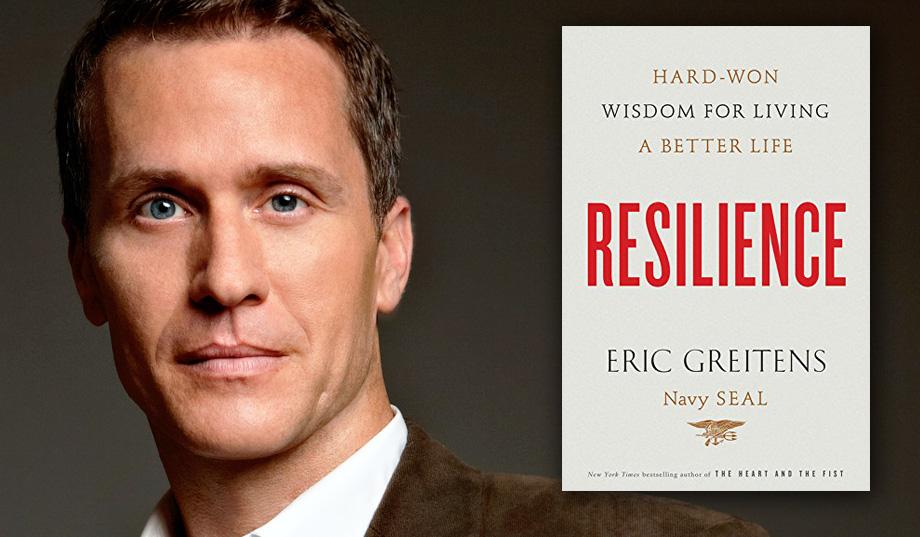
You will fail. Especially in the beginning. You will fail. And that's not just OK, it's essential. Without resilience, the first failure is also the last -- because it's final.
Those who are excellent at their work have learned to comfortably coexist with failure. The excellent fail more often than the mediocre.
They begin more. They attempt more. They attack more. Mastery lives quietly atop a mountain of mistakes.
The exceptional artist throws away hundreds of photographs. The exceptional writer wears out the eraser. The exceptional investor puts money into losing ventures. If every risk you take pays off, then you probably aren't actually taking risks. We don't want to excuse recklessness and foolishness as "just taking risks," but we should understand that those who have build true excellence in their lives are always fighting at the edges of their ability.
What distinguishes the exceptional from the unexceptional? A willingness to fail, and an exceptional ability to learn from every failure.
From "Resilience" by Eric Greitens
Those who are excellent at their work have learned to comfortably coexist with failure. The excellent fail more often than the mediocre.
They begin more. They attempt more. They attack more. Mastery lives quietly atop a mountain of mistakes.
The exceptional artist throws away hundreds of photographs. The exceptional writer wears out the eraser. The exceptional investor puts money into losing ventures. If every risk you take pays off, then you probably aren't actually taking risks. We don't want to excuse recklessness and foolishness as "just taking risks," but we should understand that those who have build true excellence in their lives are always fighting at the edges of their ability.
What distinguishes the exceptional from the unexceptional? A willingness to fail, and an exceptional ability to learn from every failure.
From "Resilience" by Eric Greitens
Labels:
Adversity,
Attitude,
Commitment,
Resources
Tuesday, December 22, 2015
ARE YOU PREPARED WHEN YOUR NUMBER IS CALLED?
Another great passage from Coach Urban Meyer's book "Above the Line." We read this one to our team last week. Players all want more playing time, more opportunity, but what are they doing to maximize that opportunity when it arises. This is a great story:
The outcome is that you are prepared to make the play when your number is called. There is no better example than Kenny Guiton.
In 2012, Kenny was a junior backup to quarterback Braxton Miller. Throughout all of our practices that fall, Kenny was the most mentally and physically engaged player on our team. When Braxton was running players, Kenny was 10 yards directly behind him, make the same reads and checks, executing the play mentally. Then, when the ball was snapped to Braxton, Kenny would perform the correct motions just as if he were taking the life rep. That was our culture at work. He was preparing in case his number would be called.
That October, Kenny's number was called. We were down against Purdue by 8. On the last play of the third quarter, Braxton went down and was injured for the rest of the game. Kenny game in. It was the final drive of the game and down by 8 points with 60 yards to go, forty seconds left on the clock, and no timeouts left. He led the offense down the field, and threw the game-tying touchdown pass to receiver Chris Fields with only three seconds left in regulation. On the very next play, Kenny tied the scored on a perfectly executed pass play to tight end Jeff Heuerman for the 2-point conversion. After taking the game into overtime, running back Carlos Hyde dived over the line for the game-winning score.
We won that game and kept our undefeated season intact because Kenny Guiton fully embraced our culture of competitive excellence.
Our third core believe is power of the unit, and it means that our players have an uncommon commitment to each other and to the work necessary to achieve our purpose.
People see the remarkable performances of these players on Saturday, but they do not see the tireless work that those players and their unit leaders put into training and preparing to compete. And they did the work not knowing when, or even if, their numbers would be called.
The outcome is that you are prepared to make the play when your number is called. There is no better example than Kenny Guiton.
In 2012, Kenny was a junior backup to quarterback Braxton Miller. Throughout all of our practices that fall, Kenny was the most mentally and physically engaged player on our team. When Braxton was running players, Kenny was 10 yards directly behind him, make the same reads and checks, executing the play mentally. Then, when the ball was snapped to Braxton, Kenny would perform the correct motions just as if he were taking the life rep. That was our culture at work. He was preparing in case his number would be called.
That October, Kenny's number was called. We were down against Purdue by 8. On the last play of the third quarter, Braxton went down and was injured for the rest of the game. Kenny game in. It was the final drive of the game and down by 8 points with 60 yards to go, forty seconds left on the clock, and no timeouts left. He led the offense down the field, and threw the game-tying touchdown pass to receiver Chris Fields with only three seconds left in regulation. On the very next play, Kenny tied the scored on a perfectly executed pass play to tight end Jeff Heuerman for the 2-point conversion. After taking the game into overtime, running back Carlos Hyde dived over the line for the game-winning score.
We won that game and kept our undefeated season intact because Kenny Guiton fully embraced our culture of competitive excellence.
Our third core believe is power of the unit, and it means that our players have an uncommon commitment to each other and to the work necessary to achieve our purpose.
People see the remarkable performances of these players on Saturday, but they do not see the tireless work that those players and their unit leaders put into training and preparing to compete. And they did the work not knowing when, or even if, their numbers would be called.
Labels:
Attitude,
Commitment,
practice,
Preparation,
Self-Improvement,
Teamwork
THE STRENGTH OF THE PACK
We in coaching have all read, heard and shared the first two verses of Law of the Jungle from Rudyard Kiplings' "The Jungle Book":
I've always loved this passage because it speaks so much to the value of team. This morning I got the following passage from my dear friend Joe Carvalhido which puts even more value on being a part of the pack:
"A wolf pack: the first 3 are the old or sick, they give the pace to the entire pack. If it was the other way round, they would be left behind, losing contact with the pack. In case of an ambush they would be sacrificed. Then come 5 strong ones, the front line. In the center are the rest of the pack members, then the 5 strongest following. Last is alone, the alpha. He controls everything from the rear. In that position he can see everything, decide the direction. He sees all of the pack. The pack moves according to the elders pace and help each other, watch each other."
Now this is the Law of the Jungle --
as old and as true as the sky;
And the Wolf that shall keep it may prosper,
but the Wolf that shall break it must die.
as old and as true as the sky;
And the Wolf that shall keep it may prosper,
but the Wolf that shall break it must die.
As the creeper that girdles the tree-trunk
the Law runneth forward and back --
For the strength of the Pack is the Wolf,
and the strength of the Wolf is the Pack.
the Law runneth forward and back --
For the strength of the Pack is the Wolf,
and the strength of the Wolf is the Pack.
I've always loved this passage because it speaks so much to the value of team. This morning I got the following passage from my dear friend Joe Carvalhido which puts even more value on being a part of the pack:
"A wolf pack: the first 3 are the old or sick, they give the pace to the entire pack. If it was the other way round, they would be left behind, losing contact with the pack. In case of an ambush they would be sacrificed. Then come 5 strong ones, the front line. In the center are the rest of the pack members, then the 5 strongest following. Last is alone, the alpha. He controls everything from the rear. In that position he can see everything, decide the direction. He sees all of the pack. The pack moves according to the elders pace and help each other, watch each other."
Friday, October 30, 2015
THOUGHTS FROM TOM THIBODEAU (PART III)
Another assist to my guy Steve Finamore -- passionate about learning and sharing. By the way, Steve is a great follow on Twitter. To follow is Part III (and the last segment) of some thoughts and quotes via Tom Thibodeau that Steve has collected:
“We can accept our
circumstances as they are, or we can do all we can to change them and turn them
into something positive. That’s one of the things I’ve admired about our team —
they’ve accepted every challenge.”
***
“To me, we all owe it to each
other and the organization to give everything we have every single
day. Just concentrate on what’s in front of us. Practice well today, get
ready for our opponent tomorrow, concentrate on improvement, and get better.
You never know what happens.”
***
On Taj Gibson:
“You can’t say enough about
Taj. He is tough as nails. Whatever you ask him to do he does. You can start
him, bring him off the bench; he guards everybody, he rebounds, gives you great
effort, pure heart, plays for the team, plays to win, disciplined, practices
every day, practices hard. He is a great practice player. He has a great motor. When you
put him in the game, he doesn’t need 5-10 minutes to warm up. He’s ready to
go.”
***
On Marco Belinelli
“He plays for the team. The
team is first all the time with him. I was not surprised that San Antonio
picked him up because I know how much Pop values those things.”
***
“We’ve got a core of guys
that understand it (on defense) and are really good at it. Our guys put forth
the effort. That is what it is all about. As a team they are committed to that.
We know if we defend and rebound and keep our turnovers down we will be in a
position to win. Right now, when you are shorthanded, that is what you have to
do. It is also what you have to do in every game, when you are completely
healthy.”
***
“We’ve got to get the fight.
That’s the first part of it — the determination, the fight and the will.
Nobody’s going to feel sorry for us. We have to turn it around tomorrow. We
have to get ready to play and we have to come out with an edge.”
***
“On nights you are not
shooting well, there are many other things you can do to help yourselves win.”
***
“It’s hard to execute when
you don’t practice. We need time in the gym.”
***
‘‘We’re improving, but we
still have a long way to go. You’re trying to build concentration over a long
period of time, and you’ve got to grind. This season is about grinding and
working. You’ve got to put the work in. You can’t skip steps, you can’t take
shortcuts. You’ve got to put a lot of work into it.’’
***
‘‘I measure everything on
whether it’s being done at a championship level. Whether it’s your preparation,
how you practice, how you conduct yourself in the weight room, how you conduct
yourself in a film session, how you conduct yourself on the bus. There’s a lot
that goes into winning, so you’ve got to be willing to pay the price.’’
***
On Kyle Korver:
“Every year
he gets better and better. It’s a tribute to the way he works at it, studies,
and prepares, his offseason conditioning work he puts in. It’s incredible. It’s
not an accident what he’s doing. Everyone knows it’s coming. He knows how to
get open. He plays for a team whose shooting complements its stars. And he’s a
star in his own way. He has always embraced his role. He has always played for
the team. The numbers say that (he’s among the elite all time shooters).”
***
On Jimmy Butler:
“I get a kick in the off-season,
everyone’s had a great summer, everyone looks good, but Jimmy actually puts the
work in. He doesn’t have to say anything. You look at him and his actions tell
you what he’s doing. There are no shortcuts with him. He puts the work in and
gives you a solid day’s work. You can’t say enough about it him. He takes big
shots, plays defense, and gets to the line. He makes plays, plays unselfishly,
plays hard and doesn’t take any possessions off. My thing to him is why
put a lid on it? Where can it go? I don’t know. All I know is [his ceiling]
keeps going up. That is how I want him to approach it. He brings great
concentration and great effort every day. You bring those things and couple
that with his talent, great things are going to happen and he’s showing that.
The best leadership you can have is by doing all the right things. You can’t
put any more in than he’s putting into it now.”
***
On Mike Dunleavy
and Kirk Hinrich:
“Two great
pros. Tough minded, give you everything they have. Both of those guys are great
pros. When you have young guys like we do, that’s the best kind of leadership
you can have. They come in every day, they practice hard, they execute. Do all
the right things.”
***
On Anthony Davis From USA
Basketball:
“He was all
business. That’s what stood out the most. He’d get there early, work on his
game, practice hard, and get in the weight room. You can tell he’s hungry.”
***
“If they say we’re playing at
midnight on the roof, you should be saying let’s get the ladders.”
Wednesday, October 28, 2015
THOUGHTS FROM TOM THIBODEAU (PART II)
Another assist to my guy Steve Finamore -- passionate about learning and sharing. By the way, Steve is a great follow on Twitter. To follow is Part II of some thoughts and quotes via Tom Thibodeau that Steve has collected:
“We’re excited. Whenever they
tell us to play, we’ve got to be ready. There are no off nights in the NBA.
That’s the one thing. Even being here, when you see all the great talent that
we have in our league, if you take someone lightly, you’re making a big mistake
and we can’t just talk about it. We’ve got to put the work into it because
there’s a lot of work and commitment that goes into winning. To say that we’re
going to win because we feel we’re talented—doesn’t work that way. There’s a
lot of talent in this league. It’s the teams that are willing to make that
commitment and endure throughout during the course of the season, to work hard
all summer, to work hard in training camp, to work hard throughout the season,
to commit to playing for each other, those are the teams that build winning
habits and that’s what we have to do. We have to build winning habits
throughout the course of the year.”
***
On His memory From
the 2013-14 Season/Team:
“How they wouldn’t quit. When
I look at the team, we took a couple of big hits the last couple of years,
actually the last three years. They fought like crazy that year. These guys,
they fought like crazy to make sure we had a good season. When a team commits
to playing as a team, playing together and playing for one another, they give
you everything they have, there’s nothing more you can ask for. I think other
people would have just laid down and we didn’t do that.’’
***
“Five-man offense, five-man
defense, and everyone is connected. If one guy is not doing their job, it’s
going to make everyone look bad. We have to be tied together.”
***
“We’re not changing. We’re
trying to win games. We’re not changing our approach. Every game, analyze what
we’re doing well, what we’re doing not as well as we would like, make our
corrections, move on to the next one, know the opponent well, keep moving
forward. That’s all we can do.”
***
“Rah-rah is good, but it’s
more the effort plays that matter. I thought our guys showed a lot of
toughness. Our guys have the will to continue to fight.”
***
“I don’t see any negative
from practicing hard. I don’t see any negative from playing hard. You’re
building habits every time you step out there. I think you’ve got to develop a
physical toughness and a mental toughness along the way. Because down the road
when you do get there, there’s going to be a lot of fire that you’ve got to go
through. And you’ve got to be prepared to deal with it.”
***
“There’s not a lot of
difference between the elite teams. It’s will, determination. That’s not
something you develop once you get there. You’d better develop it all along the
way.”
***
On What a Team Can
Take From a Loss:
”Study, learn, correct and
grow.”
***
“To me, it’s preparation.
You’re guarding a great shooter and you’re going under on a screen — it doesn’t
make any sense to me. Or you’re just whacking at a guy after he’s already
buried you in the paint. To me, that makes no sense. That makes no sense. You
got to play this game with energy and toughness, and intelligence. And you got
to get yourself ready, and you’re on the road. You have to have a mentality.
This is business. This ain’t hanging out having a good time. If you’re serious
about winning you prepare yourself the right way.”
***
On Joakim Noah:
“There are not many players
like him. His all-around defense, every aspect, the rebounding effort, to
seeing things early (and) how they’re developing. It’s just great
effort. But the most important thing is his ability to make two, three or
four efforts on the same play. Oftentimes I don’t know how he gets to the ball.
It’s just great effort. I think when you see those types of things, that helps
unite and inspire your team.”
***
“I’m going with the guys who
I think give us the best chance to win, I don’t care who they are. So when we
hit that six-minute mark it’s based on what we’re doing and what we need, and
that’s the way it’s going to be.”
***
“We have good guys. Sometimes
when things aren’t going your way there’s a tendency when you’re trying to get
out of a hole to try to do more yourself. And that’s what you have to (fight).
You have to do more together. Not more yourself. So while the intentions are
good, sometimes they’re misguided. So if we try to go too much one on one we’re
not going to have success like that … we can’t be fragmented. We have to be
together. Through the good, the bad, and just keep fighting. We have to fight
the good fight every night. We can’t sideways and that’s a big part of this
league.”
Monday, October 26, 2015
THOUGHTS FROM TOM THIBODEAU (PART I)
Another assist to my guy Steve Finamore -- passionate about learning and sharing. By the way, Steve is a great follow on Twitter. To follow is Part I of some thoughts and quotes via Tom Thibodeau that Steve has collected:
Taj Gibson on Coach Thibodeau:
“If you want to be coached
& pushed, he’s the coach for you. If you don’t want to get better, this
isn’t the team for you.”
***
“You want to be a
championship team, there’s a price to pay. And that’s what you have to do. There
are no shortcuts. You can’t shortcut your way to success. I’m going to give
everything I have each and every day, and I have no regrets.”
***
‘‘On the first day of camp,
if you went to all 30 teams, everyone would say, ‘Yeah, we want to win a
championship.’ Very few teams are willing to make that commitment over a long
period of time in putting the necessary work into it each and every day. It’s
easy to say it; it’s harder to do it.
***
“We’re asking everyone to
sacrifice and put the team first, so we have quality depth. Some night’s
guys will play a little more than others, but they’re all sharing and they’re
all going to have to sacrifice, and that’s what’s important for our
team. As you wind down, it’s situational. A lot of it is what’s going on
in the game: Do you have a lead? Are you trying to protect the lead? Do you
need more scoring? Hopefully you have that answer on the bench. The big
thing is everyone is sacrificing for the team. You have to put the team first.
Whatever gives us our best chance of winning, that’s what we’re going to do.”
***
“You have a pretty good idea
of who you’re going to finish with. But that can change if guys are performing
well. The big thing is it’s not an individual thing. It’s how the group is
performing. We look at everything.”
***
“Trust is work. That’s how
you build trust. You got to know what you’re doing. You have to be tied
together. You have to work at it. Where you get trust is from the work. The
magic is in the work. It’s working together. It’s timing. It’s being tied
together. One guy being off is going to hurt. You need everyone working
together. And it doesn’t end. You’re not going to have it figured out in three
days. You’re trying to do something great. Nothing great was ever achieved
without great work and great ethic. It’s really that simple.’’
***
"People always talk
about going on offensive runs. But you can go on defensive runs too."
***
“I’m watching San Antonio,
and they’re going after it. Parker, Duncan, they’re playing huge minutes right
off the start. I think it’s a strong message what they’re saying right now.
They’re preparing themselves to defend their championship. And so in order to
get that way from them, you’re going to have to wrestle it away from them.
They’re not just going to give it away. Your mind-set has to be right.’’
***
“Your mindset has to be
right. They say Duncan never leaves the gym. When you look at great players,
when you read about guys who have achieved something great, it’s usually them
getting past adversity, them making great effort – their readiness to accept a
challenge. I think you need a great commitment from your team if you want to do
something special. That commitment has to start at the beginning, and it has to
remain throughout.”
***
“Whatever it is that you’re
facing, you’ve got to be ready to accept that challenge and be ready to play.”
Monday, October 19, 2015
QUOTES, THOUGHTS AND CONCEPTS FROM GREGG POPOVICH
Another big thanks to Coach Steve Finamore for passing along this great list of quotes, thoughts and concepts from Gregg Popovich. Steve's a true student of the game and, as all the great ones do, loves sharing with other to help grow our game.
1. “It mostly means that everybody is going to play unselfishly, respect each other’s achievements, play hard enough every night to give yourself a chance to win, to fulfill your role.”
Following a win:
On how the Spurs with Tim Duncan, Tony Parker and Many Ginobili have sustained greatness over the years:
11. “First thing we do is watch film, win or lose. I get
on their asses. That’s better than crying & saying, ‘Oh jeez, poor me.’” We
sent some messages to some people who weren’t playing very good ‘D’ and, in the
second half, we got that straightened out.”
ON PLAYER DEVELOPMENT
23. “I’ve been doing this a long time, and one of my biggest joys is when somebody comes back to town with their kids, or one of my players becomes one of my coaches, and you have that relationship that you’ve had for the last ten years, fifteen years. It might be only three years in some guys’ cases, but the lessons they learned from you paid off – even if you traded them or you cut them. Years later they come back and say that you were right, that now they know what you were telling them.
24. “No one is bigger than the team. If you can’t do things our way, you’re not getting time here and we don’t care who you are.”
On what it means to play the right way:
1. “It mostly means that everybody is going to play unselfishly, respect each other’s achievements, play hard enough every night to give yourself a chance to win, to fulfill your role.”
***
2. “I don’t
want to go to practice with a bunch of problem players. Life is short, I can’t imagine traveling
around for 100 games with guys who are jerks. We do a lot of investigating and
research before we draft a guy. These
are adults; you’re not going to change anybody. You’re not going to take a jerk
and turn him into someone who embraces the community. That’s a waste of time.”
***
3. “Sometimes
being quiet and letting the player play is much more important than trying to
be Mr. Coach and teach him this or teach him that. So I think as time evolves
and you get older in the business you figure out what’s really important, and
you don’t waste time trying to make people what they’re not going to be.”
***
4. "We have a practice, we've
done it every year I've been there, we take the coaches on a retreat in
September and we watch film for four days. And we begin with whatever team we
ended with the year before, whether the first round or the finals or you won or
you lost or whatever, and we go through that tape. So we took seven hours and
went through Game 6, we took six hours and went through Game 7."
Following
a loss:
5. "If
you lose, you were less aggressive, and you didn't have the effort; that's all
baloney. That's psycho-babble. You don't think Patty Mills and
those guys played hard? You don't think Timmy tried to play hard? That's silly.
They played better than we did. It's got nothing to do with effort."
***
6. "I
know we didn't look pretty. I'm more interested in results than how we look. So
I thought they performed well. [The Spurs] did a great job of finding the open
man; hitting somebody with a little bit better shot. We
only know how to play one way, and that's what we do. We didn't do anything
different. We just ran what we always run, whether (Duncan) is there or not. If
Tony was out or Manu was out, we run our same stuff."
***
7. “Each
game is different, different people will play based on what's going on in the
game on that particular night
***
8. "Coaches
are sick puppies. There are always things you can improve and do better. You
look at the film, try to keep your standard and get ready for playoffs.”
***
9. “We're
always trying to move the ball from good to great (shots). Penetrate for a teammate, not necessarily for
yourself.”
***
On how the Spurs with Tim Duncan, Tony Parker and Many Ginobili have sustained greatness over the years:
10. “I think that it’s a real simple answer.
Nobody really likes it. They want me to say something different. It’s a total
function of who those three guys are. What if they were jerks? What if they
were selfish? What if one of them was, you know, unintelligent? If, if, if. But
the way it works out, all three of them are highly intelligent. They all have
great character. They appreciate their teammates’ success. They feel responsible
to each other. They feel responsible to Patty Mills or to Danny Green. That’s
who they are and how they’re built. I think when you have three guys like that;
you’re able to build something over time. So I think it’s just a matter of being really, really fortunate to have
three people who understand that and who commit to a system and a philosophy
for that length of time. I don’t know what else to tell you. It’s on them.”
***
***
On Winning 50 games for the 16th straight
season:
12. "I
don't really care. You all have to have things to write about, I guess. It's
better than losing 50, I guess. We're thinking about other things and we've
just had a great group of guys for a long time. That's reason we've been able
to win. Records and that sort of thing, streaks aren't really on anybody's
mind."
***
13. "Wins are wins, but all of us want to be the last team standing. That's all that's really important to about six, or seven, or eight teams."
***
14. "It's one of the most enjoyable parts of the business. You take somebody like Danny Green, who we've worked with for a long time. When you see somebody develop and come into his own, you feel like you did something worthwhile. It's one of the sources of satisfaction in the business, if you can see a young player grow and become confident."
***
15. “Relationships with people are what it’s all
about. You have to make players realize you care about them. And they have to
care about each other and be interested in each other. Then they start to feel
a responsibility toward each other. Then they want to do it for each other. We
win or lose as a group.”
***
After the Spurs won the NBA championship in 2014:
16. “If
people are pleased with the way we played, I think that's great. And if people
think it's good enough to learn from it and use it as an example, that's great.
We just did the best we could to be who we are.”
***
On Character: (17-23 were taken from the book
“Forces of Character.” By Chad Hennings)
17. “Being
able to enjoy someone else’s success is a huge thing. If I’m interviewing a
young guy and he’s saying things like, “I should have been picked All-American
but they picked Johnny instead of me,” or they say stuff like, “My coach should
have played me more; he didn’t really help me,” I’m not taking that kid because
he will be a problem one way or another. I know he will be a problem. At some
point he’ll start to think he’s not playing enough minutes, or his parents are
going to wonder why he’s not playing, or his agent’s going to call too much. I
don’t need that stuff. I’ve got more important things to do. I’ll find somebody
else, even if they have less ability, as long as they don’t have that character
trait.”
***
18. “Work
ethic is obvious to all of us. We do that through our scouting. For potential
draft picks, we go to high school practices and to college practices to see how
a player reacts to coaches and teammates. The phrase that we use is seeing
whether people have “gotten over themselves.”
When
there’s a guy who talks about himself all day long, you start to get the sense
that he doesn’t listen real well. If you’re interviewing him and before you
ever get anything out of your mouth he’s speaking, you know he hasn’t really
evaluated what you’ve said. For those people, we think, Has this person
gotten over himself? If he has then he’s going to accept parameters. He’s
going to accept the role; he’s going to accept one night when he doesn’t play
much. I think it tells me a lot.”
***
19. “We
also look at how someone reacts to their childhood. Some of these kids, as you
know, had it pretty tough coming up. Once in a while somebody has had it easy,
but for the most part a lot of guys have had some pretty hard knocks already. I
like to hear situations where they had to raise a brother or sister, or where
they had a one-parent family or a grandma or grandpa raised them and they
still ended up doing pretty well academically in high school.
I like to see if they
participated in some function in the community, or if they’ve overcome
something or had a tough injury and came back. That sort of thing tells me what
kind of character they have. I think all those things together tell me about
their inner fiber. When I think about character I want to know about the fiber
of an individual. I want to know what, exactly, they’re made of; what’s
attached to their bones and their hearts and their brains. It’s all those
things that form their character to me.”
***
20. “The
other thing I’ll do in practice on a regular basis when we run drills is I’ll
purposely get on the big boys the most. Duncan, Parker, and Manu Ginobili
will catch more hell from me than anybody else out there. You know the obvious
effect of that. If you do that and they respond in the right way, everyone else
follows suit. The worst thing you can do is let it go when someone has been
egregious in some sort of way. The young kids see that and you lose respect and
the fiber of your team gets frayed a bit. I think it has to be that way. They
have to be willing to set that example and take that hit so everybody else will
fall in line. It’s a big thing for us and that’s how we do it.
***
21. “I go
to bed every night and I don’t worry about anybody on my team. I don’t come to
work in the morning and say, “Ah, jeez, I’m going to have to clean this mess
up.” It doesn’t happen. Everybody else spends half their time cleaning up
everything or trying to convince themselves that this guy and that guy get
along and blah blah blah. When people ask me how I do it, I just think it’s
total logic. You don’t have to be smart. I realize it’s not easy but a lot of
guys don’t get it. When they have problems I say, “You did it to yourself.”
There are no problems if a team does the work ahead of time and uses character
as a “true” component of selection.”
***
22. “We
spend a good deal of time discussing politics, race, food and
wine, international events, and other things just to impart the notion
that a life of satisfaction cannot be based on sports alone. We work with our
players on things as small as how they talk to the media. Things as easy as
saying, “I’m doing well” instead of “I’m doing good” when someone greets them.
It seems like a little thing but it’s important. My daughter still gets on me
about that all the time when I say, “Oh, I’m good,” and she says, “No, dad,
you’re well.” It sounds better, like you really went to school and paid
attention.
I think
working on some guys’ speech and how they react to the media really helps them
have a more productive life. We do things on our team board like vocabulary and
state capitals to see who gets them quickest before we start practice, just to
get the guys thinking. Through those kinds of exercises you may find out that
somebody’s not included over and over.
When you
finally figure out why – maybe a kid can’t read very well – you get him in the
room and you get him lessons. You have a little bit of a tough day because he’s
embarrassed as hell, but then the kid starts to learn how to read and feels
pretty great about himself.”
***
23. “I’ve been doing this a long time, and one of my biggest joys is when somebody comes back to town with their kids, or one of my players becomes one of my coaches, and you have that relationship that you’ve had for the last ten years, fifteen years. It might be only three years in some guys’ cases, but the lessons they learned from you paid off – even if you traded them or you cut them. Years later they come back and say that you were right, that now they know what you were telling them.
I think
all of that relationship building helps them want to play for you, for the
program, for their teammates. Beyond that, from a totally selfish point of
view, I think I get most of my satisfaction from that. Sure, winning the
championship is great, but it fades quickly. It’s always there and nobody can
take it away. The satisfaction I get from Tony Parker bringing his child into
the office, or some other player who came through the program and now I hired
him as a coach and he’s back. That’s satisfying.
You
can’t just get your satisfaction out of teaching somebody how to shoot or how
to box out on a rebound. That’s not very important in the big picture of
things. If you can have both I think you’ve got some satisfaction. It’s one of
the motivations. That’s the selfish one I guess, but it’s real.”
***
24. “No one is bigger than the team. If you can’t do things our way, you’re not getting time here and we don’t care who you are.”
Labels:
Attitude,
Commitment,
Communication,
Competing,
Preparation,
Teaching
Subscribe to:
Posts (Atom)